Friday, September 30, 2011

Koi Pond Oxygenating -Summer Ambient Temperature


Koi Pond Oxygenating -Summer Ambient Temperature

I live in Las Vegas Nevada-2,030ft (620 m) above sea level. Las Vegas is part of the Mojave Desert area summer temperatures are usually 110-F to 115-F or higher and during the evening 97-F to 99-F at midnight-so as your can see aeration has always been big concern for our Koi pond.

Las Vegas is just a little slice of hell on earth –we have 2 temperatures damn hot and cold and maybe if we are lucky 2 week at the end of April mild temperatures in the low eighties and 1.5 weeks at the beginning November mild temperatures in high eighties Las Vegas is subtropical and if it rains you expect massive flooding and by the way it has snowed in Las Vegas.


The leading hazard to your Koi from May to October in Las Vegas is low oxygen levels. Air breathers like us live in oxygen enriched environment which is approximately 21% oxygen.

The amount of oxygen dissolved in water is so minuscule it is measured- (in parts per million)- at 90°F only about 7.0 parts per million (ppm) of dissolved oxygen that is maintained in fresh water.

It take a enormous amount of aeration to get your ponds oxygen to near saturation levels. 7.0 (ppm) is approximately 100,000 times less oxygen than found in the air we breathe because of the Las Vegas elevation above sea level.

There is really very little cushion when you can consider for Koi or Goldfish to become stressed at oxygen levels of 5.0 to 6.0 ppm and start dying at 4.0 (ppm).

This should give you some awareness of how important aeration is to your Koi and your Koi Pond-remember the beneficial bacteria that lives in your filter are dependent on the amount of oxygen in the water to thrive or survive and do their job-converting ammonia to nitrites and nitrates by utilizing the dissolved oxygen in your pond as well.

Low oxygen levels will suppress- “good” bacteria and allow ammonia levels increase to dangerous amounts. Aquatic submerged plants like filamentous algae in your Koi pond are both beneficial and detrimental to oxygen levels.

During the day green submerged plants produce oxygen, at night these same plants consume oxygen and compete with your Koi for the limited supply of oxygen in the water. This is why Koi kills usually happen in the early morning hours. For that reason you should always measure your Koi ponds oxygen levels in the very early morning.

Combination of warm water, faster plant growth, and growing biomass of fish, algae cause the oxygen level to drop to where fish are stressed and start dying.

Hot Weather Pond Must Do

Now you recognize the problems from low oxygen levels. Measure your pond’s oxygen level and correct it immediately.

The easiest method is to buy an oxygen test kit and make sure to buy test kit for fresh water. You fill a test tube with pond water to the lowest predetermined level and then add some reagents and match the color to your test kit chart.

You will also need to know your pond’s water temperature to determine how “saturated” your pond is with oxygen-your goal is to approach the saturation point at a given water temperature.

Place additional air stones in your pond or filter system during the hottest summer months; if your current air pump does not allow you to add more air stones consider buying another air pump to allow you to add more aeration for the hottest summer months.

Remember-if your electricity goes off for whatever reason during Las Vegas summer you will have much less time before the oxygen is depleted from Koi’s pond-always maintain your maximum oxygen saturation level prior to any power outage.

How much aeration should you have in a healthy moderately stocked Koi pond? I would suggest a minimum 80 liters per minute per 3,000 gallons of water.

This can be supplied in a variety of ways; use air stones positioned in your pond, waterfall area or filters-some types of Koi pond filters require aeration and this counts towards your total aeration as well. It is impossible to supply too much aeration to a Koi pond –especially the summer months in Las Vegas.

Water Temperature

You must keep your pond water temperature from rising above 90°F-you can assume your Koi are extremely stressed if your water temperature goes above 90°F or your pond temperature changes should never fluctuate by more than 5 degrees plus or minus during the day (+/- 5 degrees).

Shade your pond from the hottest part of the afternoon sun. Plant a tall trees or hedge on the west side of your pond or place some tall potted plants to help provide sun relief or use shade sails they are inexpensive and they work.

Many ponders have also started using specially made shade sails. If you have water lilies try to get about 50% – 60% of the water surface covered to provide some shade for your fish.

Increase your water circulation if at all possible; if you have an outside filter system for your Koi pond create shade or insulated it as well; build a trellis or plant a hedge or large potted plants act not only as a sunscreen but also hide the filter from view for the rest of the year.

You need portable waterfall or fountain this immediately increase the water flow and aeration. If your fountain can be adjusted use the fine mist effect; buy larger water pump-this will creates additional evaporation which will have a supplementary cooling effect or chillers.


Another method to cool the area around your pond is to use one of the “mister” products you can purchase at Home Depot or Lows for approximately $20.00.

You hook the mister system hose to a garden hose and it has several tiny outlets that create a very fine almost fog like mist that can cool the immediate area by up to 15°; misters should be placed on a timer to come on for 21 hours in Las Vegas set for 6 a.m. - 3 a.m. every day we don't fit into garden hose we use splitter that goes directly into our waterline.

We use misters to cool the main house and our guest house and our garage and our over all cooling costs went down by $180.00 per month because it decreases the ambient temperature by 15 degrees cooler and the amount of water mister’s use is very minimal-approximately 10 gallons per hour which is equivalent to flushing a toilet once every hour.

Feeding

Reduce the amount of food you give virus the cooler parts of the spring and fall-reduce feedings to only once a day and feed early in the morning.

Remember optimum water temperature for Koi and Goldfish is between 70°F and 78°F. Once your water temperature goes above 84°F feed only every other day and stop feeding all when the water temperature nears 90°F. 

The best advice I can give anyone is make a practice of feeding your Koi only 1 time a day-early morning and the amount of food should be no more than your Koi can consume in 10 minutes- Remember food generates heat.

Water Changes and Filter Maintenance

Higher water temperatures mean everything happen explosive fast in your Koi pond- debris blows into your pond- Koi defecate and pond will decompose faster and all this requires more oxygen which as you know is already in short supply in warmer weather further your water quality will degenerate more rapidly and purchase chillers for your pond.

You should increase the quantity and the frequency of water changes during the hottest time of the year. Also more frequent dumping of settlement chambers and back washing of filters are also necessary to slow down declining water quality.

Las Vegas remember to keep your garden hoses in the garage or cool shady area in your yard-let water run a little longer to rinse out your hose and let the water temperature cool down as much as possible.

Also remember for those of you who are on city water be aware that these same challenges that face your pond also are challenges for the water department; as a result they will often double or more the amount of chlorine added to your water supply to be sure to disinfect your drinking water properly.

This increase in chlorine can be a real threat to your Koi- recommendation- double your dechlor treatment amount during this period; also if there is a major water main break in your area the amount of chlorine added to be sure your drinking water is safe can run up to 50X the normal amount.

Inexpensive water timers can save you lots of heartbreak from lost and damaged fish. Warmer water temperatures and stressed fish can also mean increased susceptibility to parasites.

Anchor worms and fish lice can be seen without a microscope but flukes and other microscopic fish parasites cannot. Green water can be especially dangerous to your fish in warmer weather- it is difficult to see if your Koi have developed any significant health issues but the oxygen demand especially at night can tip your Koi pond oxygen levels below the danger level.

Using an algaecide to kill algae in the summer release and dumps an enormous load of dead organic material into your pond this can also tip the balance Koi pond this type of action is always is determinable to your Koi.

Don’t try to emulate the way we handle our Koi ponds- remember we have only one Koi and his name is Alvin our pond meanders and is zoned-we have 3 waterfalls and many fountains and we use large pool pumps and large built-in filtration system that is monitored by computers.

However all that I explained and described we have done or we are currently doing—further and I explained why we have only one Koi- I posted information regarding Alvin the cannibal; I’m confident this will help you with your Koi pond during the heat of the summer in any location.

Enhanced by Zemanta

Wednesday, September 28, 2011

Koi Pond Theft How To Prevent Heron Eating Your Koi

Herons are beautiful, intelligent, majestic birds that have one major flaw. Herons love to feast on Koi, and where better then to find Koi then an unattended Koi pond or garden?

Heron Heron
When you first notice a Heron in your garden, you may not even think of these birds as a danger. Herons are 2 or 3 feet tall, with particularly large wingspan. They appear to be extremely graceful until you realize that the beautiful sight you were just looking at could have potentially been a thief caught in the act. 

If you noticed that your fish are missing in action, chances are a Heron is to blame. You may even notice large gaping holes in the sides of your Koi. This happens when a Heron attempts to catch one of your Koi, but does not get a good grip on it.
 
Heron Eating Fish
Other will notice their Koi lying on the lawn several feet away from the pond, which is the result of a Heron dropping the Koi after removing it from the pond. While nothing can completely stop this from happening, you can do a few things to detour Herons from eating your pride stock of Koi. 
 
Koi Becoming Lunch
While there are many types of technical equipment available to attempt to detour Herons, you will quickly find that these types of detours will only work for a small amount of time.

Large Koi Pond
Some pond owners place a fake plastic Heron into their garden. This is supposed to detour another Heron from landing there. This works for parts of the season, until mating season comes. Herons will be more likely to land near your plastic Heron when they are looking for a mate.

Various other types of equipment attempt to detour Herons by causing them discomfort. This only works until the Heron gets use to it, or just finds a way around it.

The only way to protect your Koi is by watching out for them. A few simple things will not prevent Heron from visiting your pond, but it will greatly reduce the presence of them.

1) Constantly change your routine. Herons are smart and know when you will typically be present. Visiting your pond frequently at various times during the day will greatly increase the chance that you will catch the Heron in action or keep them at bay.

If you are unable to vary your routine, you may consider enlisting others to visit your pond as well. Older, trustworthy children in the neighborhood may delight in visiting your pond at various times of the day. Giving them permission to visit whenever they want will allow others to visit when you are unable too.

2) If you catch a Heron in the act, make as much noise and frighten the Heron as much as you physically can. Shout, yell, throw things, or whatever you feel will scare the Heron. The more frightened the Heron is, the less chance he is to return anytime soon.

3) Create a hiding place in your pond for your Koi. More natural Koi pond owners have noticed that after a Heron attacks a pond, it may seem that the Heron has got all the fish, only to notice that the Koi start appearing from strange hiding places once the scare is over.

If you purposely provide a place for your Koi to hide in the event of an attack, you greatly reduce the amount of fish that a Heron will leave with. Do not worry about your Koi hiding from you, as they should know and trust that you will not hurt (or eat) them.

4) Do not restock your pond right away in the event of a Heron attack. Waiting to restock may send the Heron searching for new feeding grounds.

Enhanced by Zemanta

Essential Koi Pond Supplies


Koi Fish and outdoor ponds and essential supplies
As a new
Koi pond owner, you may be overwhelmed with the amount of supplies needed to properly maintain your Koi pond. While the importance of the majority of these items cannot be denied, the feeling of being overwhelmed by the amount needed should be disregarded. Simply knowing the function of each item can help you understand why they are needed.

There are certain items that you need to have on hand at all times. Because you pond is outdoors, emergency situations do occur. Nature is simply unpredictable at times, and you do not want to be caught in a situation where an item is needed, but they is no way to obtain it.

Filters- Having a working filter is essential for removing unwanted pollutants, and maintaining proper water quality. If you do not have a proper filter, water quality issues can occur, which in turn will cause your fish to have health issues.

Pump- A pump is essential to the health of your pond. If you water is not moving, there is no way the system can process the water. Moving water can also be from waterfalls, fountains, and other water features, but in no way should completely replace your pump.

Dechlorinator- Tap water contains chemicals that can potentially harm your fish. When adding new water for any reason, you must add Dechlorinator to eliminate these chemicals.

Test Kits- You will need to have ammonia and nitrite test kits on hand at all times. You will need to perform weekly water tests on your water to ensure proper water quality. Emergency tests may also be needed in the event that you notice discrepancies in your Koi behavior or in the water.

Pond Salt and Baking Soda- Pond salt and baking soda are used to regulate kH and Nitrate levels in the event that you find a discrepancy. Pay close attention to the amounts you are suppose to add to your pond, which depends on size and the issues you are currently having.

Bags- You must have the proper bags on hand to transport Koi. Do not attempt to transport your Koi in trash or regular plastic bags, as they are not designed for this, and may cause damage to your Koi. Unless you remembered to keep the bags you brought your koi home in originally, you will have to make a trip to your local pet store. Make sure to get bags sizable enough to hold your Koi.

Rubber Bands- You will need quite a few rubber bands for each bag you buy. Make sure that your rubber bands are good quality, as you do not want the pressure from the water to pop the rubber band in the middle of the transport.

Net- You will need to have a net sizable enough to compete with your Koi. You will never need the net to pull the Koi out of the water with, but you will need it to lead and direct your Koi into the place you want them. Nets can potentially damage your Koi, especially as the larger they get.

Large Paint Bucket- A paint bucket is a better option for catching your Koi, as they cannot hurt your Koi like a net can. Make sure that your bucket is sizable enough to hold your Koi.

Koi Staple Food- Like any other pet, Koi need to be fed daily. Talk with your local pet store or Koi dealer when picking foods for your Koi, as different seasons may dictate the type of food you need to be feeding. Koi have even been known to eat out of their owner’s hand, so make sure to get food in which you are able to do this with.

Koi Treats and Snacks- Like other animals, Koi delight in treats, and will respond in a playful manner to them. Specific Koi treats are available at your local pet store. If you do not mind feeding “human” food to your pets, you may even consider feeding your Koi veggies, fruit, and bread.


Enhanced by Zemanta

Choosing Plants For Your Koi Water Garden

So you finally finished your water garden construction. You have finally come to the fun part of creating your water garden: picking the flowers and plants that will make your water garden a beautiful oasis.

Koi Water Garden

Not only should you consider beauty when you are picking your plants, but you must also remember that plants provide another, more important value to your garden, biological life. Biological life helps maintain your pool by doing what they would do in nature.

Be sure to pay attention to your climate and area. Some plants can simply not survive in certain conditions, so it is wise to do your research before hand. Talking with your local dealer will give you some idea of what plants you can and cannot have in your pond.

Lotus Plants

Lotus Plant


Undoubtedly, since your pond contains Koi, a tropical fish, you may want to keep with the theme and place Lotus plants in your pond. Pretty much everyone with a tropical water garden will want a Lotus plant because the beauty is simply unmatched by other flowers.

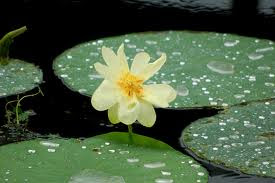
Lotus plants provide beautiful blooms, and a smell that is unmatched. However, unless you live in an area that sustains temperatures higher then 65 degree Fahrenheit, you will need to have to have a place to house your Lotus plants during the colder months. A greenhouse setup specifically for water plants will work the best.

Lotus plants require soil, and a large amount of sunlight. They should be planted in water about 2 to 3 feet deep during the warmer months, and indoors during the colder months.

Water Hyacinths

Water Hyacinths
If you simply do not have the time to plant and maintain your water garden’s foliage, or you are somewhat lazy when it comes to gardening, you may want to consider adding Water Hyacinths. Water hyacinths have become very popular recently because of their simplicity. They do not require any type of soil or planting, you must simply throw them into the water. Only minimal time is needed to anchor them down so that they do not float all over the pond freely.

Water Hyacinths are not only pretty, but are also very functional as well. These plants aid in the fight against both algae and blanket weeds.

One downside when having Water Hyacinths is the fact that they will take over your pond and yard if you allow them. Water hyacinths are very invasive, and will spread if allowed. In extreme cases, it may even jump the fence and take over the neighbors yard as well. Once they have caused this kind of infestation, it is notoriously difficult to get rid of them.

Hidden But Functional Plants

Alternatively, you may want to consider investing in plants that are not necessary seen. These plants live below the water line, and provide many needed functions to your pond. Some help you battle algae, put oxygen back into the water, or feed your fish for you.

You can find these plants in bundles at your local pet store or Koi dealer. The majority of underwater plants will not need additional support during the winter, so once you place them in the water, you may not think twice about them again. However, the benefits that you gain from having these types of plants make up for the fact that you are not able to actually see them.
Enhanced by Zemanta

Saturday, September 17, 2011

Over-Wintering Pond Fish

Publishing Guidelines You have permission to publish this article electronically or in print, free of charge, as long as the bylines are included. A courtesy copy of your publication would be appreciated.==Overwintering Pond Fish The metabolism of koi and goldfish is controlled primarily by water temperature.
Over Wintering Pond Fish
As the water cools, pond fish require less protein in their diet. When koi and goldfish are fed high-protein food in cool water, the excess protein is excreted as ammonia from the gills. The microscopic organisms that make up the biological filter (and consume ammonia) also slow down in cooler-water.Improper seasonal feeding can lead to a build-up of toxic ammonia, which stresses fish and reduces their winter survivability.

When the water temperature drops to approximately 65 F, start feeding with Spring & Autumn Pond Food. This type offish food is better suited for the dietary requirements of pond-fish in cool water and won't pollute the water with excessammonia.

Some water gardeners continue to feed their fish until-they no longer come to the surface. I stop feeding my pond fish when the water falls below 50 F.There is no need to worry about "frozen fish" if a section of the pond is at least 18 inches deep. Pond fish will seek the deepest part of the pond and over-winter there until the water warms in the spring.
 

If your pond is less than 18 inches deep, the fish may freeze during a harsh winter. Check with your local pond-supplier if you live in an area with harsh winters.Some water gardeners with shallow ponds attempt to keep their Kodiak goldfish in kiddie pools or aquariums set up in a cool basement or garage.

This is not recommended because of the extra stress involved in netting, transporting, and re-acclimating the fish to the new environment.However, if you don't have a choice, and need to bring your fish inside for the winter, be sure to have an aquarium air pump or small fountain to provide oxygenation.


The fish should be fed-infrequently, if at all, depending on the water temperature. pH,ammonia and nitrite, which should be monitored weekly and-especially if the fish are fed.Small water changes (20%) each month will keep the water in good-shape until spring. Koi are "jumpers"-so be sure to cover the pool with bird netting!***************************************************************

Brett F Fogle is the owner of MacArthur Water Gardens and several pond-related websites including MacArthur water gardens.com and pond-filters-online.com. He also publishes a free monthly newsletter called Pond Stuff! with a reader circulation of over6,000 pond owners. To sign up for the free newsletter and receives complimentary 'New Pond Owners Guide' for joining, just visit MacArthur Water Gardens< specializing="" in="" pond="" filtration="" and="" clear="" water="" solutions="">>***************************************************************
Enhanced by Zemanta

Koi, Pond, Water Garden - This is the Year to Get Yours!

Koi, Pond, Water Garden - This is the Year to Get Yours!

A
water feature in your garden or back yard adds beauty, value, movement - and an amazing sense of tranquility and peace! This article is intended to provide a few tips and ideas to help make the job of installation easier, save money, avoid mistakes, and help you get the most from your new addition!

First, you should decide exactly what you want. A water garden could be anything from a large tub with a few water plants to a huge pond with stream, waterfall, bridge, and extensive plantings of waterlilies, bog iris and marginal plants. However, if you also want fish - especially koi - this adds another level of planning.


Water Garden

With any water feature, nice clean water enhances the overall picture. With koi, you will also need well-oxygenated water free of chemicals and toxins that could harm your fish. This includes ammonia generated by fish wastes, and chemicals which might help clear your water and be harmless to plants, but could be toxic to your fish. This is where filtration comes in - and a good filtration system can ease the maintenance of a larger pond even if it doesn't have fish.

Once you've decided what you want, you need to decide how large you want it. And let me tell you - almost anyone who has installed a water feature or pond will tell you that one of the main things they would change would be to make their pond bigger! Yes, it's possible to expand or add onto an existing installation, but it's almost always less expensive to make the larger installation in the first place!

While you are making plans for rocks, waterfall, plants and so forth, be sure to include a spot to sit and enjoy your pond - and fish, if you have them. Consider adding a feature such as a pergola - these provide broken shade for you and can do the same for the koi in your pond if extended over a portion of the pond. You can also wire these to include lighting, or an overhead fan to further add to the comfort of relaxing and enjoying the peace and tranquility of your new addition.

If you aren't sure about koi, but do want a fairly large pond - install a bottom drain! It doesn't require immediate hookup to a pump or filter, but even without fish it can be invaluable if you need to drain the pond for cleaning, or to repair a leak. Then, if/when you decide to add koi at some later date, your bottom drain is already plumbed and just waiting for the addition of a mechanical filter and pump! The plumbing costs very little at this point in time, and can save a lot at a later date.

Here are just a few other things to think about as you are planning your new addition. First, all the dirt that comes out of that hole can be used to a) create a raised planting bed along the back; b) raise the sides of your pond and reduce the depth you need to dig; or c) build up the area where you want a waterfall. For oxygenation - or just to hear the sound of water - you might also add a fountain, perhaps in statue form.

Plants include bog plants - these can be separated from the main pond with a narrow border that still allows water in to maintain the moisture these plants need. A stream can add more movement with additional oxygenation and filtering, and waterfalls are great for movement, the music of water in motion, and oxygenation. A path and bridge can add to your viewing enjoyment. And edging can be grass, slate, brick, rock, or any combination - such as slate for your sitting area, with large rock around the rest of the pond perimeter.

For additional ideas and suggestions, please visit my blog, at http://www.ilovekoi.blogspot.com

For more information click here
Enhanced by Zemanta